

Residential demolition, also known as house demolition, is the process of safely tearing down an existing home to make way for new construction.
Homeowners often choose demolition when a house no longer meets their needs due to outdated layouts, structural concerns, or limitations that make remodeling impractical. By starting fresh, they gain the freedom to design a home that truly fits their lifestyle without compromising on location.
Working with experienced residential demolition contractors is essential to ensure the process is handled correctly, from permitting and safety requirements to site preparation.
In this guide, we’ll walk through what to expect during residential demolition, including demolition permits, project timelines, added costs, and how demolition fits into the overall new construction process.
Why Choose House Demolition Before Building New
Remodeling No Longer Makes Sense
For many homeowners, house demolition becomes the smartest option when a home’s structure, layout, or condition limits what a renovation can realistically achieve.
Older homes may have outdated floor plans, low ceilings, aging systems, or structural issues that make remodeling costly and restrictive. In these cases, tearing down the existing structure allows you to start with a clean slate instead of working around limitations.
Build New While Staying on the Lot You Love
Demolition can also be an ideal solution for homeowners who love their current location but have outgrown or outlived their existing home.
By choosing residential demolition on your current lot, you can preserve the benefits of your neighborhood, commute, schools, and community while still achieving a fully modern, custom-designed home. Rather than relocating to find new land, you maintain the location you value while upgrading the home itself.
More Freedom to Design a Truly Custom Home
Residential demolition also provides greater design flexibility. Rather than forcing modern features into an old footprint, you can build a custom home that maximizes your lot, improves energy efficiency, and aligns with today’s living standards.
While demolition adds an extra step to the process, experienced residential demolition contractors help streamline the transition from teardown to new construction. This often makes the overall investment more practical and future-focused than an extensive remodel.
Demolition vs. New Construction: What’s Actually Involved?
While demolition often feels like the biggest step, it actually represents only about 10% of the overall process. The remaining 90% closely mirrors standard new home construction, including design, permitting, site preparation, and building from the ground up.
This is why proper planning beyond the teardown is critical to keeping your project on track.
Successful projects rely on close coordination between your builder and residential demolition contractors. From scheduling permits to preparing the site for construction, both teams work together to ensure a smooth transition from demolition to build.
When handled by experienced professionals, demolition becomes a strategic first step, rather than a disruption, in creating a well-planned custom home.
Understanding the Demolition Permit Process
Why a Demolition Permit Is Required
A demolition permit is different from a standard building permit and is required before any house demolition can begin.
Cities use this approval process to ensure structures are safely removed, utilities are properly disconnected, and neighboring properties are protected. Permits also confirm that the demolition meets local safety, zoning, and compliance regulations.
Demolition Bonds and City Requirements
Many municipalities require a demolition bond as part of the permitting process. This bond is a financial guarantee paid upfront to the city, ensuring the demolition is completed correctly and the site is left safe and clean.
While it adds an initial cost, the bond protects public infrastructure and is typically returned once the project meets all city requirements.
Environmental & Safety Considerations
Before demolition begins, inspections are required to address environmental and safety concerns. This often includes testing for asbestos or lead-based paint, verifying utility shutoffs, and completing pre-demolition inspections.
These steps help protect workers, nearby homes, and the environment while ensuring the project moves forward safely.
How Long Does House Demolition Take?
Pre-Demolition Preparation
After the demolition permit and bond requirements are completed, the project moves into final pre-demolition preparation.
This phase includes coordinating utility shutoffs, completing required inspections, and scheduling residential demolition contractors. While much of this work happens behind the scenes, it plays a critical role in safety and compliance and often takes longer than the demolition itself.
The Physical Demolition Phase
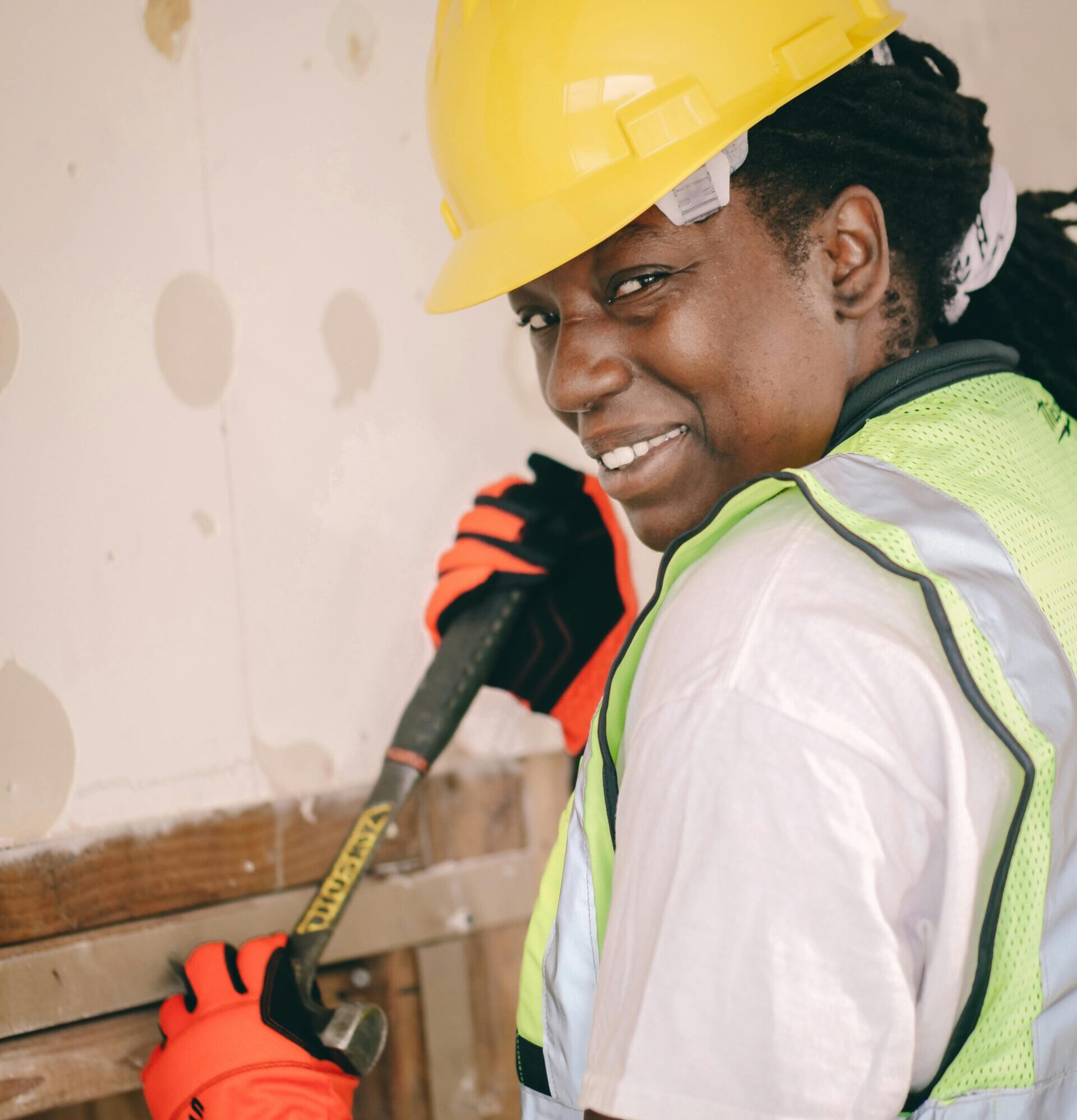
The actual house demolition typically happens quickly, often completed within days. Heavy equipment and experienced crews work efficiently to tear down the structure, remove debris, and prepare the site for the next phase of construction. Hauling off demolition debris can take several days, depending on the size of the original home.
How Demolition Impacts the Overall Build Timeline
While demolition is a relatively small portion of the work, it does add time to the overall project. In most cases, demolition extends the total build timeline by one to two months.
Depending on the scope of the new construction, homeowners may need to relocate for an extended period, sometimes up to a year, while the home is rebuilt.
What Happens After Demolition?
Once house demolition is complete, the focus shifts to preparing the site for new construction. Debris is removed, the lot is cleaned, and grading is completed to ensure the property is level and ready for building. This step is critical for proper drainage, foundation stability, and long-term structural performance.
From there, the project transitions seamlessly into the new construction phase. Permits, inspections, and build schedules move forward just as they would on a standard new home build.
At this point, the process is no different than constructing a home on an undeveloped lot. With experienced builders and residential demolition contractors working together, demolition becomes the starting point of a well-organized custom home project.
Choosing the Right Residential Demolition Contractors
Selecting the right residential demolition contractors is essential to the success of your overall build. Licensed and insured professionals ensure the demolition is completed safely, legally, and in compliance with local regulations. This protects both your property and your investment from costly delays or liability issues.
Equally important is coordination between the demolition and construction teams. Contractors who regularly work with builders know how to prepare the site correctly and ensure a seamless transition from demolition to new construction.
When demolition and construction are handled by aligned or integrated teams, communication improves and delays are reduced. This streamlined approach helps ensure your project stays organized, efficient, and on schedule from teardown to completion.
Common Questions About Residential Demolition
Is House Demolition Cheaper than Remodeling?
Homeowners often wonder whether house demolition is more affordable than remodeling. While every project is different, demolition can be a smarter option when extensive structural changes are needed, as it avoids the limitations and surprises of older homes.
How Long Will We Need to Relocate?
Relocation timelines vary, but many homeowners should plan to live elsewhere during demolition and construction, sometimes for up to a year depending on the build scope.
What Happens to Demolished Materials?
Demolished materials are typically removed and disposed of properly, with recycling prioritized when possible.
Will Demolition Slow Down New Construction?
When planned correctly, demolition does not slow down new construction. Instead, it creates a clear path for an efficient build.
Conclusion
Residential demolition can be a smart first step when building a new home, especially for homeowners who want modern design, fewer structural limitations, and a smoother construction process.
While demolition is only a small portion of the overall project, proper planning, permitting, and coordination are essential to keeping everything on track.
Working with experienced residential demolition contractors ensures the process is safe, efficient, and aligned with your new construction goals.
Ready to Build? Let’s Talk About Your Custom Home in Boise
If you’re considering house demolition, consulting with professionals early can help you understand timelines, permits, and next steps.
At Acadia Building Co., we specialize in custom home construction, remodeling, and demolition that is tailored to your vision, style, and budget.
Ready to move forward? Contact Acadia Building Co. for a consultation to explore your options with confidence.