

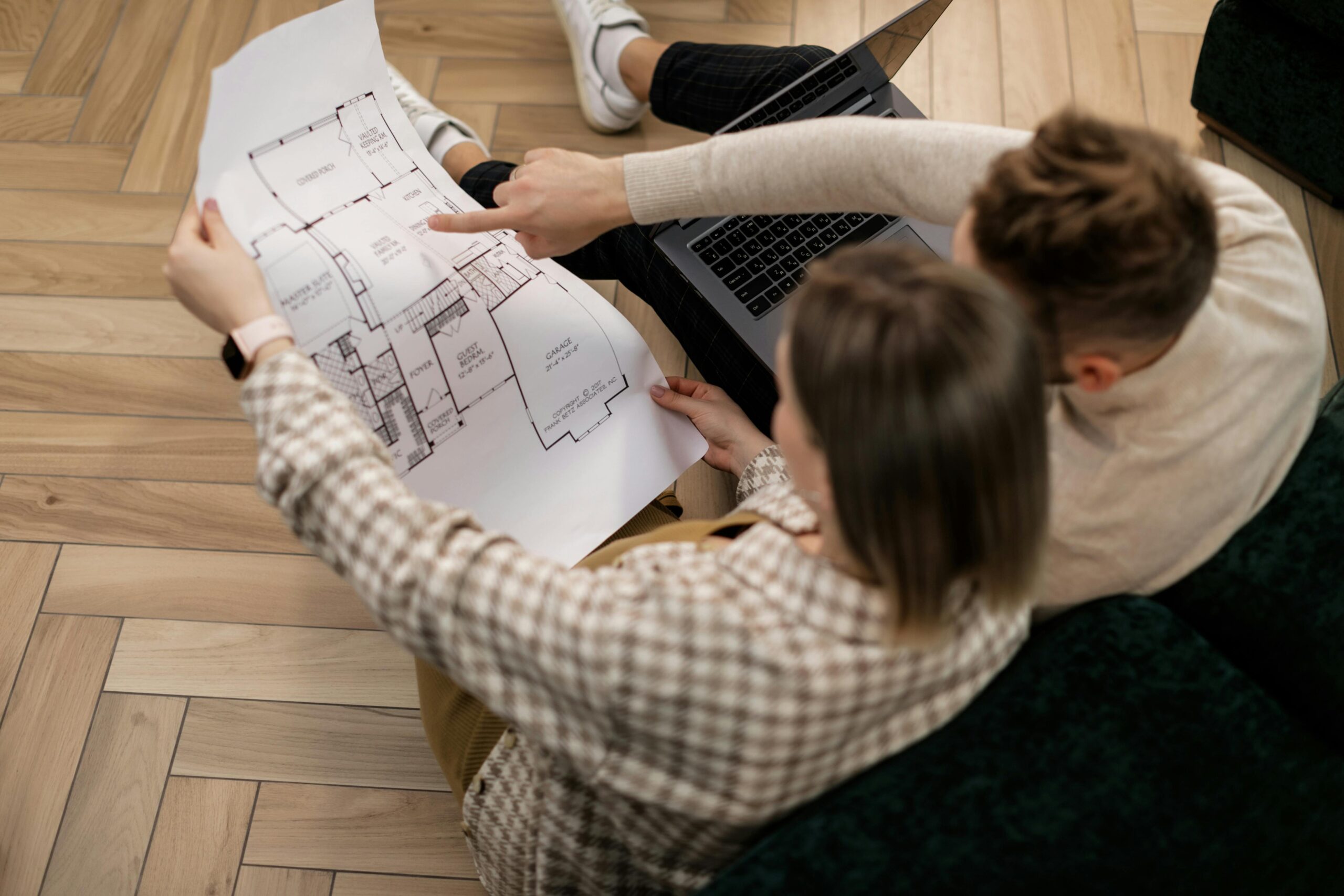
Building a Custom Home That’s Uniquely Yours
There’s something special about walking into a home that feels completely “you.” Every corner, color, and detail reflects your taste and how you live. That’s the beauty of designing a custom home—you don’t have to try to fit your life into a pre-made layout and can create a space that fits your lifestyle perfectly.
Whether you’re dreaming of a cozy retreat surrounded by nature or a modern family home built for entertaining, learning how to design a custom home starts with understanding your needs, priorities, and vision.
Every choice you make for the layout and flow, the finishes, and functionality shapes how your home will feel and function for years to come.
In this guide, we’ll explore practical tips to help you design a custom home that’s beautiful and enhances the way you live every day.
Step 1: Define Your Vision and Lifestyle Needs
Before diving into blueprints and design boards, take some time to picture how you want to live in your new home. Designing a custom home starts with understanding your lifestyle. How you spend your days, what spaces you use most, and which features you want will help you decide what would make life more enjoyable or efficient.
Start by asking yourself a few key questions:
- Do you love hosting friends and family, or do you prefer a quieter, more private layout?
- Is a home office, gym, or craft room a must-have?
- How much outdoor living space do you want?
Your answers will guide every design decision that follows. For example, if you have young children, an open-concept layout with clear sightlines might be ideal. If you work from home, a dedicated office tucked away from high-traffic areas can help maintain focus.
When you design a custom home, the goal isn’t just to create something beautiful. You want to design spaces that support the way you live today and anticipate how your needs may evolve in the future.
Take the time to define your vision early on to set the foundation for a home that feels as functional as it is personal.
Step 2: Plan Your Layout with Function in Mind
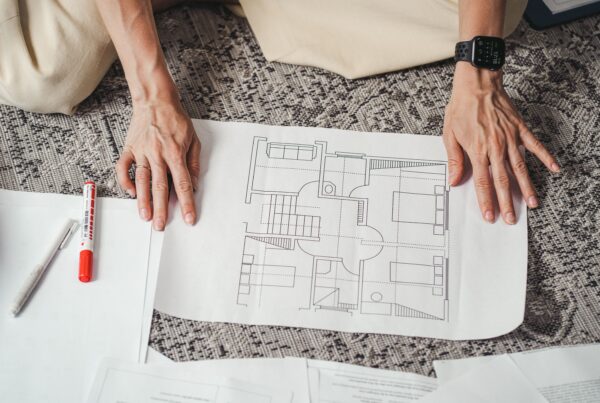
Once you have a clear vision for your dream home, it’s time to think about how that vision comes to life in the layout. A thoughtful floor plan is one of the most important parts of designing a custom home—it determines how your spaces connect, flow, and feel.
Start by identifying the areas where you spend the most time and how they relate to each other.
For example, do you want your kitchen to open directly into the living room for easy entertaining, or would you prefer a bit of separation for noise control? Think about traffic flow, room placement, and convenience—especially in high-use areas like the kitchen, laundry room, and bathrooms.
When you design a custom home, functionality should be just as important as style. Small details—like adding extra storage in the mudroom, choosing wider hallways, or positioning windows for natural light—can make everyday living more comfortable and enjoyable.
Knowing how to design a custom home that blends practicality with personal taste is key to creating a space that truly works for you.
Step 3: Choose the Right Design Team
Even the best ideas need the right team to bring them to life. Finding experienced professionals who understand your vision is one of the most important steps in designing a custom home.
Start by researching local architects, designers, and builders who specialize in the type of home you want. Look through their portfolios, read client reviews, and schedule consultations to make sure they’re a good fit.
You don’t just want them to fit your style, but also your communication and collaboration. A strong partnership between you and your design team ensures your ideas are heard and executed with precision.
When learning how to design a custom home, remember that it’s a collaborative process. Your builder and designer will help you balance your wish list with practical considerations like budget, layout, and local building codes. They’ll also help you refine your ideas into a cohesive design that aligns with your goals and lifestyle.
Choosing the right professionals can save you time, stress, and costly revisions later. This allows you to focus on what really matters: creating your unique home!
Step 4: Budget Smart
Budgeting is one of the most critical parts of designing a custom home, and understanding where your money goes can help you make confident, informed decisions. The cost to build a custom home can vary widely depending on factors like location, size, materials, and design complexity.
Start by determining your overall budget and share it openly with your builder or designer. A good team will help you prioritize what’s most important and identify areas where you can save without compromising quality. For example, investing in energy-efficient windows might cost more upfront but can lower utility bills for years to come.
It’s also wise to plan for the unexpected. Set aside a contingency fund to cover surprises like material delays, site conditions, or design adjustments.
When you design a custom home, transparency is key. Ask your builder for a detailed cost breakdown so you know exactly what’s included—from permits and labor to finishes and fixtures. Having this clarity early on can prevent budget surprises and keep your project on track.
Ultimately, understanding the cost to build a custom home helps you strike the right balance between your vision and your financial comfort zone so that your dream home stays both beautiful and attainable.
Step 5: Personalize with Design Details That Reflect You
One of the most rewarding parts of designing a custom home is choosing the details that make it yours. This is where your personality, style, and daily habits come to life through color, texture, and thoughtful design choices.
Think about how you want your home to feel the moment you walk in. Warm and welcoming? Sleek and modern? Cozy and traditional? Every element—from flooring and cabinetry to lighting and fixtures—contributes to that atmosphere.
When you design a custom home, even small details like hardware finishes or trim styles can make a big impact on the overall look and feel.
However, don’t forget to think beyond aesthetics. Incorporating energy-efficient materials, smart-home technology, or sustainable design choices can add lasting value and functionality.
These features make your home more comfortable, save money, and reduce your environmental footprint over time.
Learning how to design a custom home that reflects your personality is all about balance. As you work to combine beauty and practicality, you can design a home that doesn’t just look amazing but also supports your lifestyle and brings you joy every day.
Step 6: Think Long-Term and Design for the Future
When you’re designing a custom home, it’s easy to focus on your current lifestyle—but thinking ahead can make your home more functional and valuable in the long run.
A well-planned home should adapt as your needs evolve, whether that means accommodating a growing family, welcoming guests, or aging comfortably in place.
Start by considering flexible spaces that can serve multiple purposes. A guest bedroom might double as a home office, or a finished basement could become a playroom now and a media room later. These adaptable layouts make it easier to adjust your home’s functionality without major renovations down the road.
Energy efficiency and sustainability are also smart long-term investments. Choosing durable materials, efficient HVAC systems, and proper insulation lowers utility costs and helps preserve your home’s comfort for years to come.
When you design a custom home with the future in mind, you’re building a home that will continue to meet your needs and reflect your values well into the future.
Conclusion
Designing a custom home is one of the most exciting journeys you can take as a homeowner. It’s your chance to shape every detail so your home truly reflects who you are and how you live.
By defining your vision, planning a functional layout, choosing the right design team, understanding the cost to build a custom home, and adding personal touches that fit your lifestyle, you can turn your dream home into a reality that’s both practical and inspiring.
Learning how to design a custom home isn’t just about architecture or aesthetics—it’s about creating a space that feels like home from the moment you step inside. With thoughtful planning and the right professionals by your side, you can design a home that grows with you, supports your everyday life, and brings lasting joy.
Ready to Build? Let’s Talk About Your Custom Home in Boise
Building a home is a big decision, but with the right team by your side, it can be one of the most rewarding experiences you’ll ever have.
At Acadia Building Co., we specialize in custom home construction that is tailored to your vision, style, and budget. From the first sketch to the final walkthrough, we’re committed to making the process smooth, transparent, and enjoyable.
Whether you’re starting from scratch or refining your plans, our Boise home builders are here to guide you every step of the way.
Ready to take the next step? Let’s talk about turning your vision into a reality. Contact Acadia Building Co. today to start planning your custom home in Boise.