

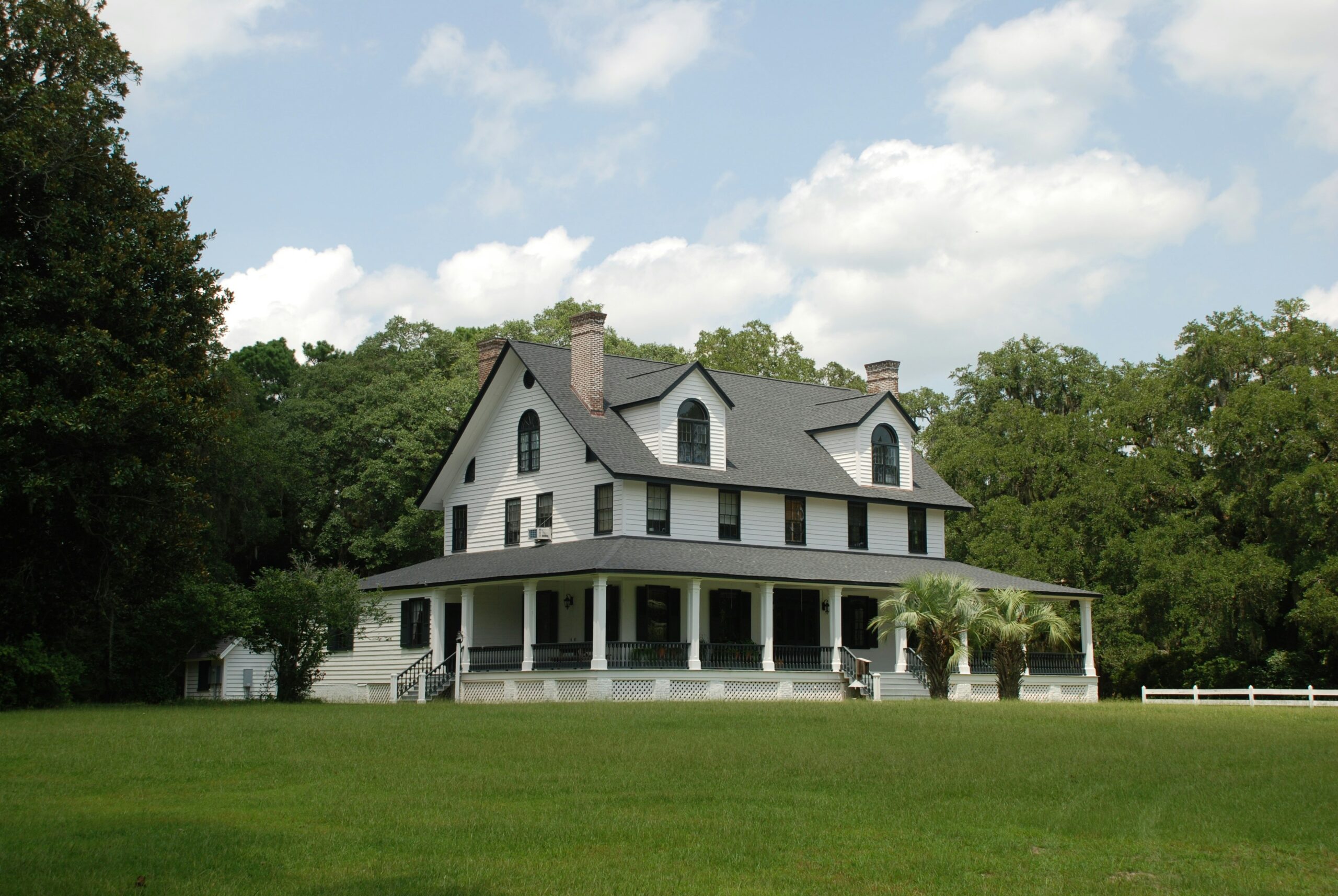
The dream of building a custom home is one that many homeowners share. From choosing the perfect layout to selecting furnishings that reflect your style, the process offers unmatched personalization.
But before the excitement takes over, there’s one big question almost everyone asks: How much does it cost to build a custom home?
The answer isn’t always simple—costs can vary depending on location, size, design, and the level of detail you put into your home. What is clear, though, is that understanding where your money goes in the custom home building process can make all the difference.
In this blog, we’ll break down the major expenses, explain what influences the bottom line, and share budgeting tips so you can approach your project with a clear vision.
What Goes Into the Cost of Building a Custom Home
When people start planning their dream house, one of the first things they want to understand is the cost of building a custom home.
The truth is, there’s no one-size-fits-all answer—costs can swing widely based on factors like the builder you select, the size of the home, the location of the lot, the complexity of the design, and the finishes you choose.
At its core, building a custom home requires budgeting for several key expenses, including:
- Land
- Construction financing (if applicable)
- Permits & Fees
- Design
- Labor
- Materials
Every decision in the custom home building process directly affects the final price. Opting for a larger footprint, high-end finishes, or unique architectural details will naturally increase costs, while more straightforward designs and standard materials can help keep expenses in check.
Understanding these moving parts is the first step toward setting a realistic budget and building with confidence.
Major Cost Categories in Building a Custom Home
The average cost of building a custom home with Acadia Building Co. is roughly $600,000. Of course, the final number really comes down to the specific choices you make throughout the building process. Here’s a closer look at where your budget will go:
- Land Purchase & Preparation
The process starts with securing a lot. Prices vary greatly depending on location, but you’ll also want to budget for site clearing, grading, and utility connections. Rural or sloped land often requires more preparation. - Design & Planning
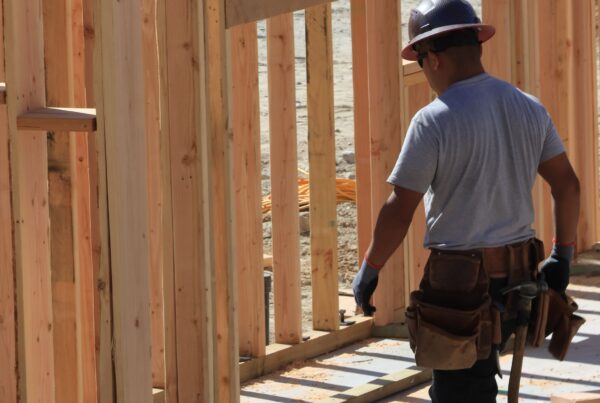
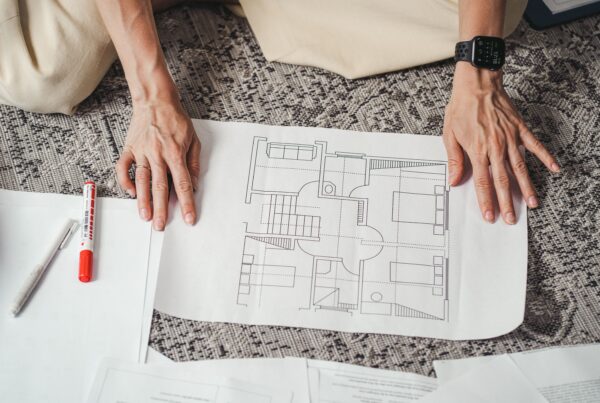
Before a single nail is hammered, you’ll invest in drafting and design fees as you narrow down your home plans. These professionals help you refine your vision and guide you through how to build a custom home that’s functional, beautiful, and structurally sound. - Structural Costs
This category covers the bones of your home—framing, roofing, windows, and exterior finishes. It’s often one of the largest portions of the budget. - Systems & Infrastructure
Essential systems like electrical wiring, plumbing lines, and HVAC installation fall here. These are the largely unseen but critical elements that keep your home running smoothly. - Interior Finishes
Flooring, cabinetry, countertops, paint, and fixtures bring your home’s personality to life. Costs can vary dramatically depending on whether you choose standard finishes or high-end, fully customized options. - Permits, Inspections, and Fees
Finally, every home requires local approvals to ensure safety and code compliance. These fees can add up, but are necessary for a legal and safe build.
Breaking down these categories helps you see exactly where your investment goes, giving you confidence as you move through the custom home journey.
Factors That Influence the Cost of Building a Custom Home
While the major categories give you a clear picture of where the money goes, several key factors will ultimately determine the final cost of building a custom home. These variables explain why two homes of similar size can end up with very different price tags.
Location
Where you build has a significant impact on cost. Land prices vary widely across Idaho, and access to local labor and materials can either streamline or increase expenses. Building in a remote area often means higher transportation costs and fewer subcontractor options.
Size & Layout
The more square footage you add, the more materials and labor are required. Complex layouts, multiple stories, or unique architectural features will also add to the budget compared to simpler designs.
Level of Customization
One of the most exciting parts of building a custom home is choosing finishes and features. Standard options help control costs, while luxury upgrades—such as custom cabinetry, imported stone, or high-end appliances—will raise the overall price.
Timeline
A faster build schedule may require additional labor or rush orders on materials, both of which can increase costs.
Builder Expertise
Finally, the builder you choose matters. An experienced professional ensures the custom home building process stays efficient, avoids costly mistakes, and delivers quality results that stand the test of time.
By understanding these influencing factors, you’ll be better equipped to set realistic expectations and align your dream home with your budget.
Budgeting Tips: How to Build a Custom Home Without Surprises
One of the most important steps in preparing for the cost of building a custom home is setting a budget you can trust. With so many moving parts, it’s easy for costs to creep up if you don’t plan carefully. However, a few smart strategies can help you stay in control of your investment.
First, work with your builder early in the custom home building process to establish a realistic budget that reflects your design choices, location, and lifestyle needs. Be sure to leave room for contingencies—unexpected costs like material delays or small design changes are almost inevitable.
Next, prioritize your “must-haves” versus “nice-to-haves.” Knowing what you’re unwilling to compromise on makes it easier to adjust in other areas if the budget gets tight. Open communication with your builder is also key; transparency helps prevent surprises and keeps the project running smoothly.
Finally, lean on professional guidance to maximize value. Experienced builders know where it makes sense to invest in quality and where you can save without sacrificing your vision.
With careful planning, you’ll feel confident moving through the process and get to watch your dream home take shape.
Conclusion
The cost of building a custom home ultimately comes down to your choices, location, and vision. While the numbers may feel overwhelming at first, it’s important to remember that this isn’t just an expense—it’s an investment in your lifestyle and future.
With thoughtful planning and the right team by your side, the custom home building process becomes clear and empowering. Most of all, it’s an opportunity to create a home that reflects who you are and how you want to live.
Ready to Build? Let’s Talk About Your Custom Home in Boise
Building a home is a big decision, but with the right team by your side, it can be one of the most rewarding experiences you’ll ever have.
At Acadia Building Co., we specialize in custom home construction that’s tailored to your vision, your lifestyle, and your budget. From the first sketch to the final walkthrough, we’re committed to making the process smooth, transparent, and enjoyable.
Whether you’re starting from scratch or refining your plans, our Boise home builders are here to guide you every step of the way.
Ready to take the next step? Let’s talk about turning your vision into a reality. Contact Acadia Building Co. today to start planning your custom home in Boise!
Give us a call at (208) 608-9669 to learn more about our custom home building services.